
Non-Owner SR-22 After Coverage Lapse — Indiana
Free to compare
When the Lapse Suspension Lands Without a Car
You let your insurance lapse — maybe you sold the car, maybe you stopped driving temporarily, maybe the payment bounced and you didn't catch it in time. Indiana's INSPECT system reported the cancellation to the BMV electronically, and the suspension notice arrived before you realized coverage had dropped. Now you need SR-22 to reinstate, but you don't own a vehicle anymore.
The procedural path is not to buy a car and insure it. Non-owner SR-22 exists specifically for this situation: drivers who need to satisfy Indiana's financial responsibility requirement without owning a vehicle. It covers you when driving borrowed or rental vehicles, and it satisfies the BMV's SR-22 filing mandate that blocks your reinstatement.
“Non-owner SR-22 gives you the filing without requiring you to insure a car you don't have.”

Find a Indiana Policy That Covers Your Filing
Get My Indiana SR-22 Auto Insurance Quote$250
Indiana Reinstatement Fee
Indiana charges $250 to reinstate a suspended license after an insurance lapse. This fee is separate from the SR-22 filing requirement and must be paid to the BMV before your driving privilege is restored.
Indiana Code Title 9, Article 25
Why Indiana Requires SR-22 After a Lapse
Indiana Code 9-25-4 requires continuous liability insurance for all registered vehicles. When your carrier cancels coverage and reports it through INSPECT, the BMV initiates a registration suspension process. If the system cannot verify replacement coverage within the enforcement window, your registration and driving privileges are suspended together.
SR-22 is Indiana's mechanism for proving you have re-established financial responsibility after violating the continuous coverage requirement. The filing is not insurance itself — it is a certificate your carrier files electronically with the BMV confirming that you now carry at least the state minimum liability limits. The SR-22 filing stays active for the period the BMV requires, typically three years from the reinstatement date.
If you no longer own a vehicle, traditional liability insurance makes no sense. Non-owner SR-22 gives you the filing without requiring you to insure a car you don't have.
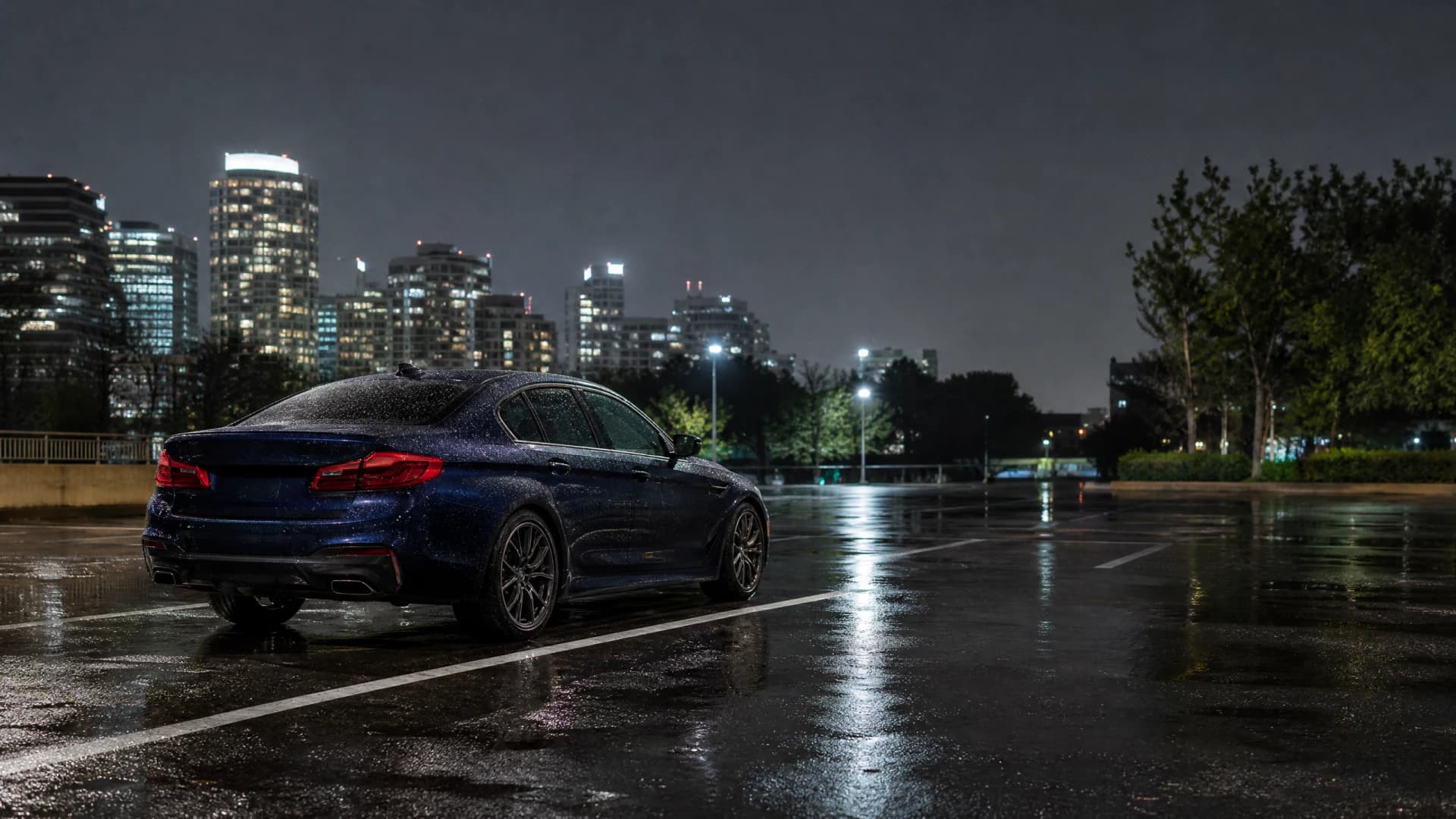
You cannot reinstate without active SR-22 on file. Non-owner SR-22 satisfies the requirement even when you sold the vehicle that caused the lapse.





Reinstatement Steps When You Don't Own a Vehicle
First, purchase a non-owner SR-22 policy from a carrier licensed to write SR-22 in Indiana. Carriers that write non-owner policies in Indiana include Progressive, GEICO, USAA, Dairyland, The General, Bristol West, and GAINSCO. Not all carriers offer non-owner SR-22 — confirm before starting the quote process. The carrier files the SR-22 certificate electronically with the BMV when the policy binds, usually within one to two business days.
Second, pay the $250 reinstatement fee to the Indiana BMV. This can be done online through the myBMV portal or in person at a BMV branch. The BMV will not process your reinstatement until both the SR-22 filing is on file and the fee is paid. Processing time is typically immediate once both conditions are satisfied, but branch visits may introduce delays depending on staffing.
Third, verify reinstatement with the BMV before driving. The myBMV portal shows your current license status. Do not assume reinstatement is complete until you confirm the suspension has been lifted — driving on a suspended license while waiting for reinstatement adds a separate violation and extends your SR-22 period.
3 years
Indiana SR-22 Filing Period
Indiana typically requires SR-22 filing for three years after reinstatement for insurance lapse suspensions. The period is measured from the reinstatement date, not the lapse date. If your policy cancels during the SR-22 period, the BMV re-suspends your license and the three-year clock resets when you reinstate again.
Indiana Code 9-25

Non-Owner SR-22 Costs in Indiana
Non-owner SR-22 policies are cheaper than traditional auto insurance because they do not cover a specific vehicle and carry no collision or comprehensive coverage. Premiums vary by carrier, your driving history, and the length of the lapse that triggered the suspension. Carriers charge a small one-time filing fee for the SR-22 certificate, set by the carrier and state, on top of the policy premium.
Drivers with a single lapse and no other violations typically pay less than drivers with multiple lapses, points, or DUI history. Shop multiple carriers — non-standard carriers like Dairyland, Bristol West, and The General often offer lower rates for drivers with suspension history than standard carriers. The $250 reinstatement fee is non-negotiable and applies regardless of which carrier you choose.
Compare Non-Owner SR-22 Carriers Now
Indiana's INSPECT system does not wait. Once your SR-22 filing lapses or cancels, the BMV re-suspends your license immediately. The procedural path forward is simple: purchase non-owner SR-22 from a carrier that writes it in Indiana, pay the $250 reinstatement fee, and verify reinstatement before driving. Start with carriers that specialize in non-owner SR-22 — Progressive, GEICO, Dairyland, and The General write these policies in Indiana and can file electronically within one to two business days. Compare rates from multiple carriers to find the lowest premium that satisfies the BMV's requirement.
What Non-Owner SR-22 Covers in Indiana
Indiana requires $25,000 bodily injury per person, $50,000 bodily injury per accident, and $25,000 property damage. Non-owner policies carry these minimums at a minimum, and you can purchase higher limits if you regularly drive borrowed or rental vehicles. The policy activates when you drive a car you do not own — it functions as secondary coverage if the vehicle owner's policy applies first, or primary coverage if the vehicle is uninsured.
The SR-22 filing is embedded in the policy. Your carrier files the certificate electronically with the Indiana BMV when the policy binds, and the BMV records that you now meet the financial responsibility requirement. If your non-owner policy lapses or cancels, the carrier notifies the BMV immediately through INSPECT, and your license is re-suspended. Continuous coverage is mandatory for the entire SR-22 period.
Get Your Free Quote
Get My Indiana SR-22 Auto Insurance QuoteFrequently Asked Questions
Can I get SR-22 in Indiana without owning a car?
Yes. Non-owner SR-22 policies exist specifically for drivers who need to satisfy Indiana's SR-22 filing requirement without owning a vehicle. The policy provides liability coverage when you drive borrowed or rental cars and includes the SR-22 certificate the BMV requires for reinstatement.
How long does Indiana require SR-22 after an insurance lapse?
Indiana typically requires SR-22 filing for three years after reinstatement for insurance lapse suspensions. The three-year period starts from the reinstatement date, not the lapse date. If your policy cancels during the SR-22 period, the BMV re-suspends your license and the clock resets when you reinstate again.
What happens if my non-owner SR-22 lapses in Indiana?
Your carrier notifies the Indiana BMV electronically through the INSPECT system as soon as your policy cancels. The BMV re-suspends your license immediately, and you must purchase a new non-owner SR-22 policy and pay another $250 reinstatement fee. The three-year SR-22 period resets from the new reinstatement date.
Which carriers offer non-owner SR-22 in Indiana?
Progressive, GEICO, USAA, Dairyland, The General, Bristol West, and GAINSCO write non-owner SR-22 policies in Indiana. Not all carriers offer non-owner coverage — confirm with the carrier before starting a quote. Non-standard carriers often offer lower rates for drivers with suspension history than standard carriers.
Do I need SR-22 if I sold the car that caused the lapse?
Yes. Indiana's SR-22 requirement applies to the driver, not the vehicle. Selling the car does not eliminate the filing obligation. Non-owner SR-22 satisfies the BMV's requirement when you no longer own a vehicle.