
Non-Owner SR-22 Cost — Indiana
Free to compare
When Indiana Requires SR-22 Without a Vehicle
Your license was suspended after an OWI conviction, uninsured driving citation, or court-ordered requirement. You sold your car before the suspension hit or you never owned one. Indiana BMV sent reinstatement paperwork demanding SR-22 proof of financial responsibility — and now you're confused why a state agency requires insurance coverage on a vehicle you don't have.
Indiana Code 9-25 governs financial responsibility requirements for all reinstating drivers, regardless of vehicle ownership. The SR-22 filing proves you carry liability coverage meeting state minimums ($25,000 bodily injury per person / $50,000 per accident / $25,000 property damage). Non-owner SR-22 policies satisfy this requirement by covering you as a driver in any vehicle you operate — borrowed cars, rental vehicles, employer fleet trucks — without insuring a specific registered vehicle under your name.
“Non-owner policies cost 40–60% less than standard auto SR-22 because carriers eliminate collision, comprehensive, and vehicle-specific risk exposure entirely.”

Find a Indiana Policy That Covers Your Filing
Get My Indiana SR-22 Auto Insurance Quote$35–$75/mo
Indiana Non-Owner SR-22 Premium
Non-owner policies cost substantially less than standard auto SR-22 because carriers underwrite liability-only coverage without collision, comprehensive, or vehicle-specific risk exposure. Actual premium depends on violation severity, age, and county.
Carrier rate filings accessible via Indiana Department of Insurance
Why Non-Owner Policies Cost Less
Standard auto insurance premiums reflect two risk categories: liability (the damage you cause to others) and physical damage (repairs to your own vehicle via collision and comprehensive coverage). When you don't own a vehicle, carriers eliminate the entire physical damage exposure. You're buying pure liability coverage — the state-minimum bodily injury and property damage protection Indiana requires for SR-22 compliance.
Carriers writing non-owner SR-22 policies in Indiana — Geico, Progressive, The General, Dairyland, Bristol West, and GAINSCO among others — price these policies 40–60% below comparable standard-auto SR-22 rates because the underwriting math changes. No vehicle means no collision claims, no comprehensive theft or weather damage, no financed-car gap exposure. The carrier's only risk is your liability as a driver when you borrow or rent a car.
This rate difference holds even for high-risk drivers. A suspended driver reinstating after OWI in Indiana might face $120–$180/mo for standard SR-22 auto insurance on a titled vehicle. That same driver buying non-owner SR-22 typically pays $45–$85/mo for identical state-minimum liability limits because the vehicle risk disappears from the underwriting equation.
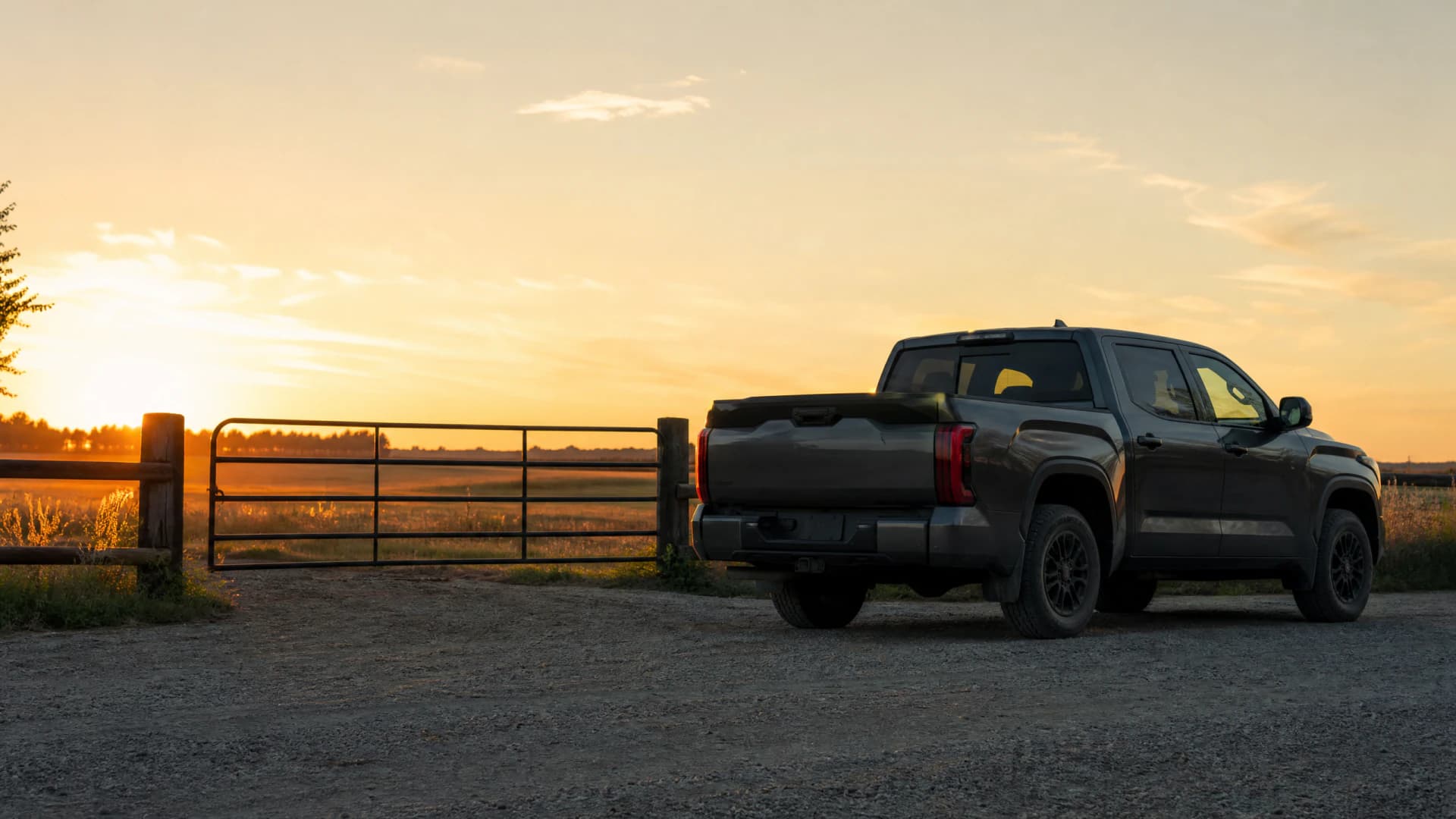
Non-owner SR-22 does not cover vehicles you own, lease, or have regular access to. If you later buy or register a car, you must convert to standard auto SR-22 immediately or your filing becomes invalid.





Indiana Carriers Writing Non-Owner SR-22
Not every carrier licensed in Indiana writes non-owner policies. Carriers specializing in standard and preferred-tier auto — Allstate, State Farm, Erie, Auto-Owners — typically do not offer non-owner products or restrict them to specific underwriting scenarios. Non-standard and direct carriers dominate this market segment.
Geico, Progressive, Dairyland, The General, Bristol West, and GAINSCO all write non-owner SR-22 policies for Indiana suspended drivers. Geico and Progressive offer online quote tools for non-owner coverage; Dairyland and The General require phone quotes for SR-22-attached policies. Bristol West and GAINSCO work through independent agents and may require broker contact depending on violation severity and county.
Rate spread among these carriers runs wide. A 35-year-old reinstating driver in Marion County with one OWI might see quotes ranging from $42/mo (Dairyland) to $88/mo (Bristol West) for identical $25,000/$50,000/$25,000 liability limits. Shopping at least three carriers before buying produces measurable savings — suspended drivers on tight budgets cannot afford to assume the first quote is competitive.
3 years
Indiana SR-22 Filing Period
Indiana BMV requires continuous SR-22 filing for three years from reinstatement date for OWI convictions and most serious violations under IC 9-25. Any lapse in coverage triggers automatic re-suspension and restarts the three-year clock from the new reinstatement date.
Indiana Code 9-25

When You Must Switch to Standard Auto SR-22
Non-owner SR-22 remains valid only as long as you do not own, lease, or have regular access to a registered vehicle. Indiana BMV does not define "regular access" in statute, but carrier underwriting guidelines interpret this as any vehicle titled or registered to your household address, any vehicle you drive more than twice weekly, and any employer-provided vehicle assigned to you outside working hours.
If you purchase or register a car while carrying non-owner SR-22, notify your carrier immediately. The non-owner policy will not cover that vehicle — any accident while driving it leaves you personally liable and potentially uninsured under Indiana law. Carriers require conversion to standard auto SR-22 within 30 days of vehicle acquisition. Missing this window can void your SR-22 filing, trigger BMV re-suspension, and restart your three-year SR-22 clock.
Household vehicle scenarios create confusion. If you move in with a partner, parent, or roommate who owns a car titled at your shared address, carriers may require conversion from non-owner to standard SR-22 even if you're not listed on the title. Underwriting rules vary by carrier — some allow non-owner coverage if you sign an exclusion affidavit stating you will never drive the household vehicle; others mandate standard auto SR-22 for anyone residing at an address with a registered car regardless of exclusion. Verify your carrier's household vehicle policy before moving.
Compare Rates and File Immediately
Indiana suspended drivers cannot legally drive until BMV receives SR-22 proof of financial responsibility. Carriers electronically file SR-22 certificates with Indiana BMV within 24–48 hours of policy issuance for most non-owner policies. Your reinstatement window opens once BMV processes the filing and you pay the $250 reinstatement fee (or higher fees for OWI-related suspensions).
Request quotes from at least three carriers writing non-owner SR-22 in Indiana. Provide your violation details, suspension dates, and county accurately — underwriting decisions hinge on these inputs and incomplete information produces inaccurate quotes. Once you select a carrier and purchase coverage, confirm the SR-22 filing date and verify BMV receipt within five business days. Non-owner SR-22 policies cost far less than suspended drivers expect, but only if you compare carriers before committing to the first available quote.
What Non-Owner SR-22 Actually Covers
When you borrow a friend's car and cause an accident, their auto insurance policy responds first as primary coverage. If damages exceed their liability limits — say their policy caps at $25,000 property damage and you total a $40,000 vehicle — your non-owner SR-22 steps in as secondary coverage to pay the $15,000 excess up to your own policy limits. If the car owner carries no insurance, your non-owner policy becomes primary and covers the full claim up to your purchased limits.
Rental vehicles work differently. Most rental contracts require you to decline the rental company's collision damage waiver if you claim to have your own coverage. Non-owner SR-22 provides liability protection if you injure someone while driving the rental, but it does not cover physical damage to the rental vehicle itself. You remain personally liable for damage to the rental car unless you purchase the rental company's CDW or pay with a credit card offering rental car damage protection.
Get Your Free Quote
Get My Indiana SR-22 Auto Insurance QuoteFrequently Asked Questions
Can I get non-owner SR-22 insurance in Indiana after a DUI?
Yes. Indiana carriers write non-owner SR-22 policies for OWI-convicted drivers who do not own vehicles. You must maintain the policy and SR-22 filing for three years from reinstatement. Expect premiums of $45–$95/mo depending on BAC level, prior violations, age, and county.
Does non-owner SR-22 cover rental cars in Indiana?
Non-owner SR-22 provides liability coverage if you injure someone while driving a rental vehicle. It does not cover physical damage to the rental car itself. You remain liable for damage to the rental unless you purchase the rental company's collision damage waiver or use credit card rental protection.
How long does it take to file SR-22 with Indiana BMV?
Carriers electronically file SR-22 certificates with Indiana BMV within 24–48 hours of non-owner policy issuance. BMV processing adds 1–3 business days. You cannot legally drive or complete reinstatement until BMV confirms receipt of the filing.
What happens if I buy a car while I have non-owner SR-22?
You must convert to standard auto SR-22 within 30 days of purchasing or registering a vehicle. Non-owner policies do not cover cars you own. Driving your own car under a non-owner policy leaves you uninsured, voids your SR-22 filing, and can trigger BMV re-suspension.
Which Indiana insurance companies offer non-owner SR-22?
Geico, Progressive, Dairyland, The General, Bristol West, and GAINSCO all write non-owner SR-22 policies for Indiana suspended drivers. Geico and Progressive offer online quotes; others require phone contact or independent agent involvement depending on violation severity.
Is non-owner SR-22 cheaper than regular SR-22 in Indiana?
Yes. Non-owner SR-22 costs 40–60% less than standard auto SR-22 because carriers price liability-only coverage without collision or comprehensive exposure. Indiana suspended drivers without vehicles typically pay $35–$75/mo for non-owner SR-22 versus $120–$180/mo for standard auto SR-22.