
Non-Owner SR-22 Insurance — Indiana
Free to compare
Why Indiana Requires SR-22 When You Don't Own a Car
Your license was suspended after an OWI conviction or uninsured driving incident. You don't own a vehicle. The Indiana Bureau of Motor Vehicles just told you SR-22 proof of financial responsibility is mandatory for reinstatement or for obtaining Probationary Driving Privileges, and you're wondering how you're supposed to insure a car you don't have.
Non-owner SR-22 insurance exists for exactly this situation. It provides the state-mandated liability coverage Indiana requires without insuring a specific vehicle. The policy proves you carry continuous financial responsibility even when you don't have a car registered in your name. Whether you're working toward full reinstatement or applying for a Probationary License to drive for work, school, or medical appointments during your suspension, non-owner SR-22 meets the BMV's SR-22 filing requirement.
“Indiana requires SR-22 before restoring your license, even if you sold your vehicle after the suspension.”

Find a Indiana Policy That Covers Your Filing
Get My Indiana SR-22 Auto Insurance Quote$250
Indiana Base Reinstatement Fee
This fee applies to most administrative suspensions under IC 9-29-8. OWI-related reinstatements escalate to $500 for second offenses. The reinstatement fee is separate from SR-22 insurance costs and must be paid directly to the BMV before driving privileges are restored.
Indiana Code Title 9, Article 29
What Non-Owner SR-22 Actually Covers
Non-owner SR-22 is liability-only coverage that follows you as a driver, not a vehicle. It meets Indiana's minimum liability requirements: $25,000 bodily injury per person, $50,000 bodily injury per accident, and $25,000 property damage. The policy covers you when you borrow someone else's car, rent a vehicle, or drive a company car.
The SR-22 itself is not insurance. It's a certificate your insurer files electronically with the Indiana BMV proving you carry continuous coverage. The insurer transmits the filing within 1-2 business days of policy purchase. If you cancel the policy or let it lapse, the carrier notifies the BMV immediately through Indiana's INSPECT system, triggering automatic re-suspension of your driving privileges.
Non-owner policies do not cover vehicles you own, vehicles registered in your household, or vehicles you use regularly. If you own a car titled in your name or a family member's name and you drive it regularly, you need a standard auto policy with SR-22 endorsement instead. Non-owner SR-22 works only when you genuinely do not have regular access to a specific vehicle.
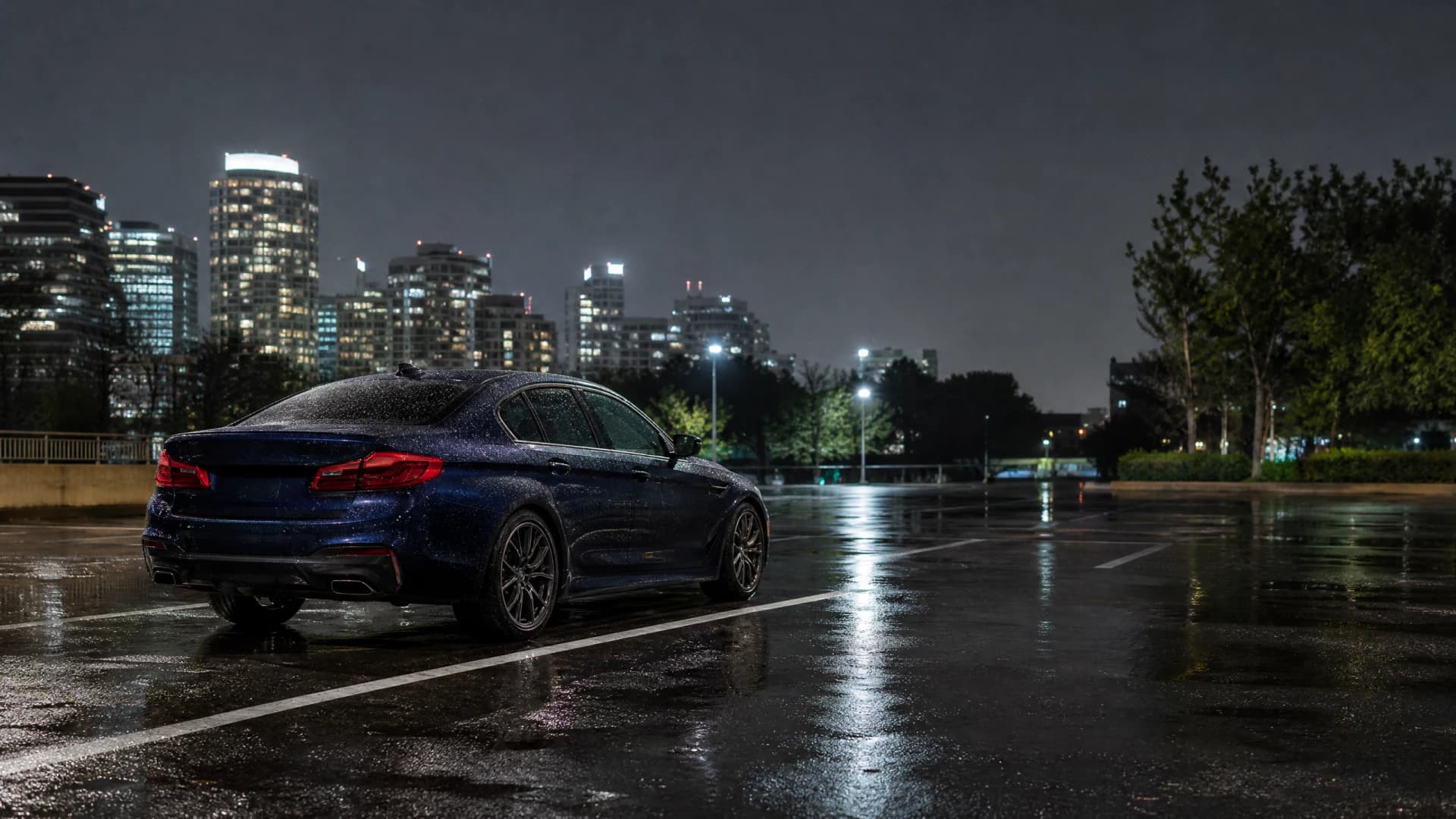
Most suspended drivers assume they can't get insurance without a car. That assumption blocks reinstatement: Indiana requires SR-22 before restoring your license, even if you sold your vehicle after the suspension.






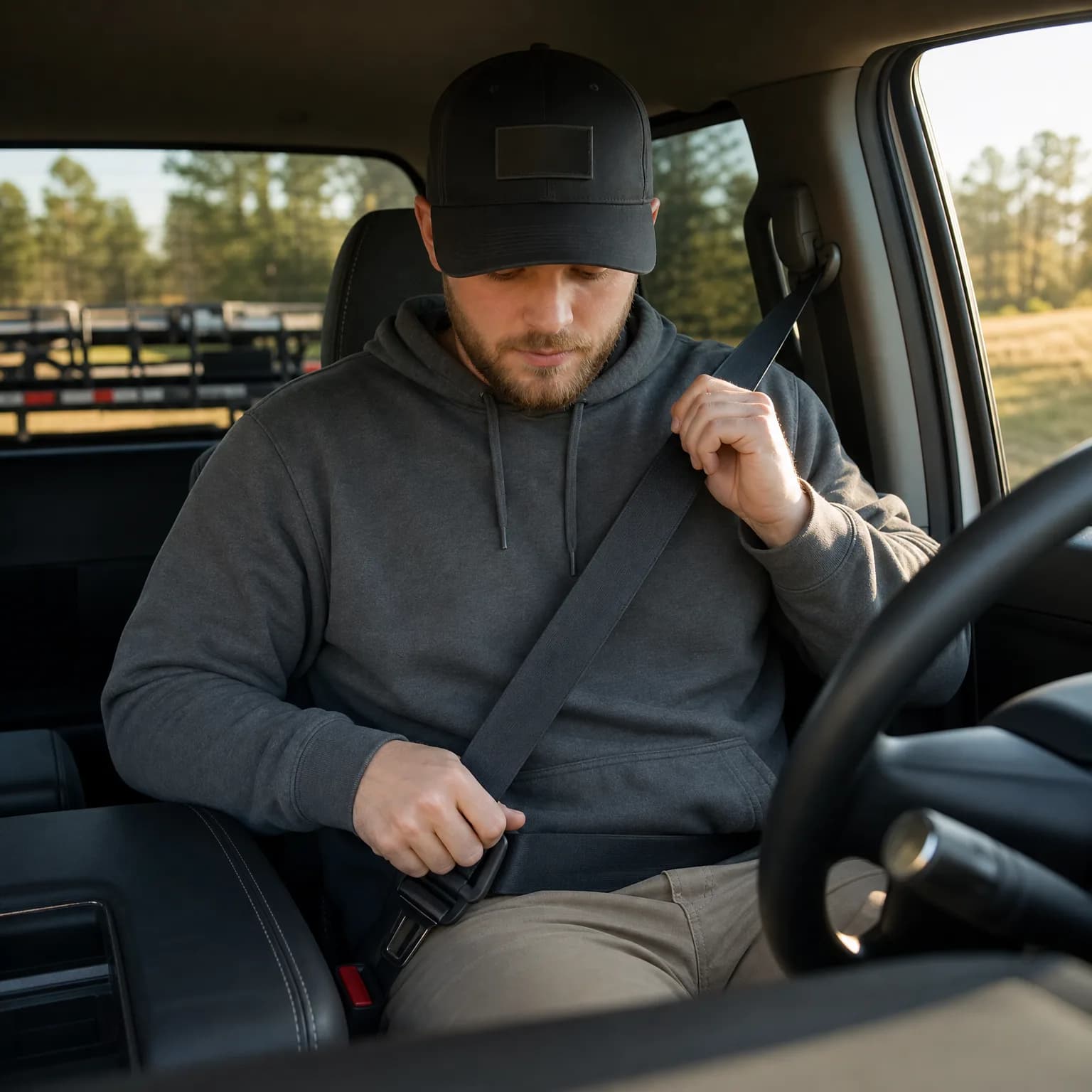
Indiana Probationary License with Non-Owner SR-22
Indiana offers Probationary Driving Privileges under IC 9-30-16 for drivers suspended due to OWI or other qualifying offenses. This is Indiana's version of a hardship or restricted license. You can apply through the BMV administratively or petition the court depending on your suspension type. Probationary privileges are limited to specific approved purposes: employment, education, medical appointments, religious activities, or court-ordered obligations.
SR-22 proof of financial responsibility is mandatory for Probationary License approval in Indiana, even if you don't own a vehicle. The BMV will not issue the Probationary License until the SR-22 filing appears in your driving record. If you're applying for work-only driving privileges and you don't own a car but will borrow a vehicle or use a company vehicle for commuting, non-owner SR-22 meets the BMV's requirement.
For OWI-related suspensions, Indiana law mandates a hard suspension period before Probationary License eligibility begins. The duration varies by offense severity and prior history. A first OWI with BAC 0.15 or higher triggers a 180-day administrative suspension under IC 9-30-6-9, and courts often impose additional judicial suspension time. You cannot apply for Probationary Driving Privileges during the hard suspension window. Once eligible, ignition interlock installation is required for OWI cases under current Indiana law.
3 years
Indiana SR-22 Filing Duration
Indiana requires continuous SR-22 filing for 3 years following OWI convictions and certain at-fault crashes under IC 9-25. The 3-year period starts from the conviction or incident date, not the filing date. If your policy lapses at any point during the 3-year window, the clock resets and you start the 3-year count over from the lapse date.
Indiana Code Title 9, Article 25

Cost and What Affects Your Rate
Non-owner SR-22 policies in Indiana typically cost $40–$85 per month for minimum liability limits. Rates vary by violation history, age, and carrier underwriting. OWI convictions, at-fault crashes, and prior SR-22 lapses push rates toward the higher end of the range. Younger drivers under 25 and drivers with multiple violations within the past 5 years face higher premiums.
The SR-22 filing fee itself is usually $15–$50, charged once at policy inception. This is separate from the monthly premium. Some carriers build the filing fee into the first month's premium; others charge it as a separate line item. Verify total first-month cost when comparing quotes.
Maintaining the policy without lapses for the full 3-year SR-22 period is critical. If you cancel the policy or miss a payment, the carrier notifies the BMV within 24 hours through Indiana's INSPECT electronic reporting system. The BMV automatically re-suspends your license, and you must pay the reinstatement fee again and refile SR-22 to restore privileges. Two lapses within the 3-year window often trigger longer suspension periods and higher underwriting risk classification, making future coverage more expensive.
When Non-Owner SR-22 Doesn't Apply
Non-owner SR-22 does not work if you own a vehicle or live with family members who own vehicles you drive regularly. Indiana law requires you to carry standard auto insurance on any vehicle titled in your name or titled in a household member's name that you operate. If you own a car or plan to purchase one during the SR-22 filing period, you need a standard auto policy with SR-22 endorsement, not a non-owner policy.
Non-owner SR-22 also won't help if your suspension is unrelated to driving violations. Suspensions for unpaid child support arrears under IC 31-16-12-7 or failure to appear in court require separate clearance from the issuing agency before the BMV will reinstate your license. SR-22 filing alone does not remove those administrative holds. Verify your suspension cause through the myBMV portal before purchasing coverage. If your record shows non-driving administrative holds, resolve those separately before investing in SR-22 insurance.

Next Step: Compare Carriers Writing Non-Owner SR-22 in Indiana
Request quotes from at least three carriers writing non-owner SR-22 policies in Indiana. Geico, Progressive, The General, and Dairyland offer online quotes; Bristol West and GAINSCO typically require agent contact. When requesting the quote, confirm the carrier electronically files SR-22 with the Indiana BMV and ask for total first-month cost including the filing fee. Compare monthly premiums, down payment requirements, and payment plan options before committing. Once you purchase the policy, verify the SR-22 filing appears in your myBMV driving record within one week, then proceed with your Probationary License application or full reinstatement petition. The sooner the SR-22 is active, the sooner you can restore limited or full driving privileges.
How to Get Non-Owner SR-22 in Indiana
Start by requesting quotes from carriers writing non-owner SR-22 policies in Indiana. Geico, Progressive, The General, Dairyland, GAINSCO, and Bristol West all write non-owner SR-22 coverage for Indiana drivers. When you request the quote, specify that you need SR-22 filing and confirm the carrier will electronically transmit the certificate to the Indiana BMV. Not all carriers handle SR-22 filings, and some require you to purchase through an agent rather than online.
Once you purchase the policy, the carrier files the SR-22 certificate with the BMV electronically within 1-2 business days. You'll receive a paper copy of the SR-22 for your records, but the BMV works from the electronic filing, not the paper document. You can verify the BMV received the filing by checking your driving record online through the myBMV portal at indianabmv.com approximately 3-5 business days after purchase. If the SR-22 does not appear on your record within one week, contact the carrier and the BMV to resolve the filing issue before proceeding with reinstatement or Probationary License application.
Get Your Free Quote
Get My Indiana SR-22 Auto Insurance QuoteFrequently Asked Questions
Can I get SR-22 insurance in Indiana without owning a car?
Yes. Non-owner SR-22 insurance provides the liability coverage and SR-22 filing Indiana requires without insuring a specific vehicle. The policy covers you when borrowing or renting vehicles and meets BMV requirements for Probationary License or full reinstatement.
How much does non-owner SR-22 cost in Indiana?
Non-owner SR-22 policies in Indiana typically cost $40–$85 per month for minimum liability limits. The SR-22 filing fee is usually $15–$50, charged once at policy inception. Total cost depends on your violation history, age, and carrier underwriting.
How long do I need to keep SR-22 in Indiana?
Indiana requires continuous SR-22 filing for 3 years following OWI convictions and certain at-fault crashes. The 3-year period starts from the conviction or incident date. If your policy lapses during this window, the clock resets and you start the 3-year count over.
What happens if I cancel my non-owner SR-22 policy in Indiana?
The carrier notifies the Indiana BMV within 24 hours through the INSPECT electronic reporting system. The BMV automatically re-suspends your license. You must pay the reinstatement fee again and refile SR-22 to restore driving privileges.
Do I need non-owner SR-22 for a Probationary License in Indiana?
Yes. SR-22 proof of financial responsibility is mandatory for Indiana Probationary Driving Privileges approval. The BMV will not issue the Probationary License until the SR-22 filing appears in your driving record. Non-owner SR-22 meets this requirement if you don't own a vehicle.
Which carriers offer non-owner SR-22 in Indiana?
Geico, Progressive, The General, Dairyland, GAINSCO, and Bristol West all write non-owner SR-22 coverage for Indiana drivers. Geico, Progressive, The General, and Dairyland offer online quotes; Bristol West and GAINSCO typically require agent contact.