
Lower SR-22 Insurance Costs — Indiana
Free to compare
The SR-22 Filing Itself Isn't the Problem
You received your reinstatement letter from the Indiana BMV, found a carrier willing to write you, paid the premium, and filed your SR-22. Then the bill arrived — double what you paid before the suspension. The agent blamed the SR-22, but that's structurally wrong. The SR-22 certificate itself costs $25 to $50, a one-time fee your carrier charges to file the form electronically with the BMV. That fee does not explain why your six-month premium jumped from $600 to $1,400.
What changed is your underwriting tier. The suspension moved you from standard-tier pricing into the non-standard market, where carriers price for drivers with recent violations, lapses, or BMV actions. The SR-22 is a filing requirement — proof you carry continuous liability coverage at Indiana's minimums of $25,000 per person, $50,000 per accident, and $25,000 property damage. The tier change is the mechanism that raises your rate. Lowering your cost means addressing the tier assignment, not the filing.
“The SR-22 certificate costs $25 to $50. The tier change is the mechanism that raises your rate.”

Find a Indiana Policy That Covers Your Filing
Get My Indiana SR-22 Auto Insurance Quote$25–$50
Indiana SR-22 Filing Fee
The one-time administrative fee carriers charge to file the SR-22 certificate electronically with the Indiana BMV. This is not a recurring premium — it's a processing fee billed once at policy inception or when the SR-22 endorsement is added.
Carrier underwriting disclosure filings
Why You're Classified Non-Standard
Indiana carriers use a three-tier system: preferred (clean records, bundled policies, multi-year retention), standard (minor violations, acceptable claims history), and non-standard (recent suspensions, DUI convictions, multiple at-fault crashes, uninsured driving citations, or lapse-driven BMV actions). Your suspension moved you into non-standard automatically. The carrier doesn't evaluate your current driving behavior — it evaluates the event that triggered the SR-22 filing requirement.
Non-standard pricing reflects the actuarial risk pool you now occupy. Drivers with recent license suspensions statistically file more claims than drivers without suspensions. Carriers price this risk into the base rate, then apply state-mandated liability minimums. The result is a premium that can run $200 to $350 per month for basic coverage, compared to $80 to $120 per month for a standard-tier driver carrying the same limits.
This is not price gouging — it's tier assignment based on violation history. The path to lower premiums is either shopping carriers that price your tier more competitively, or waiting out the violation lookback window to re-tier into standard.

You cannot negotiate your way out of non-standard tier with your current carrier. Price reduction requires either switching carriers or aging out the violation.





Non-Owner SR-22 When You Don't Own a Vehicle
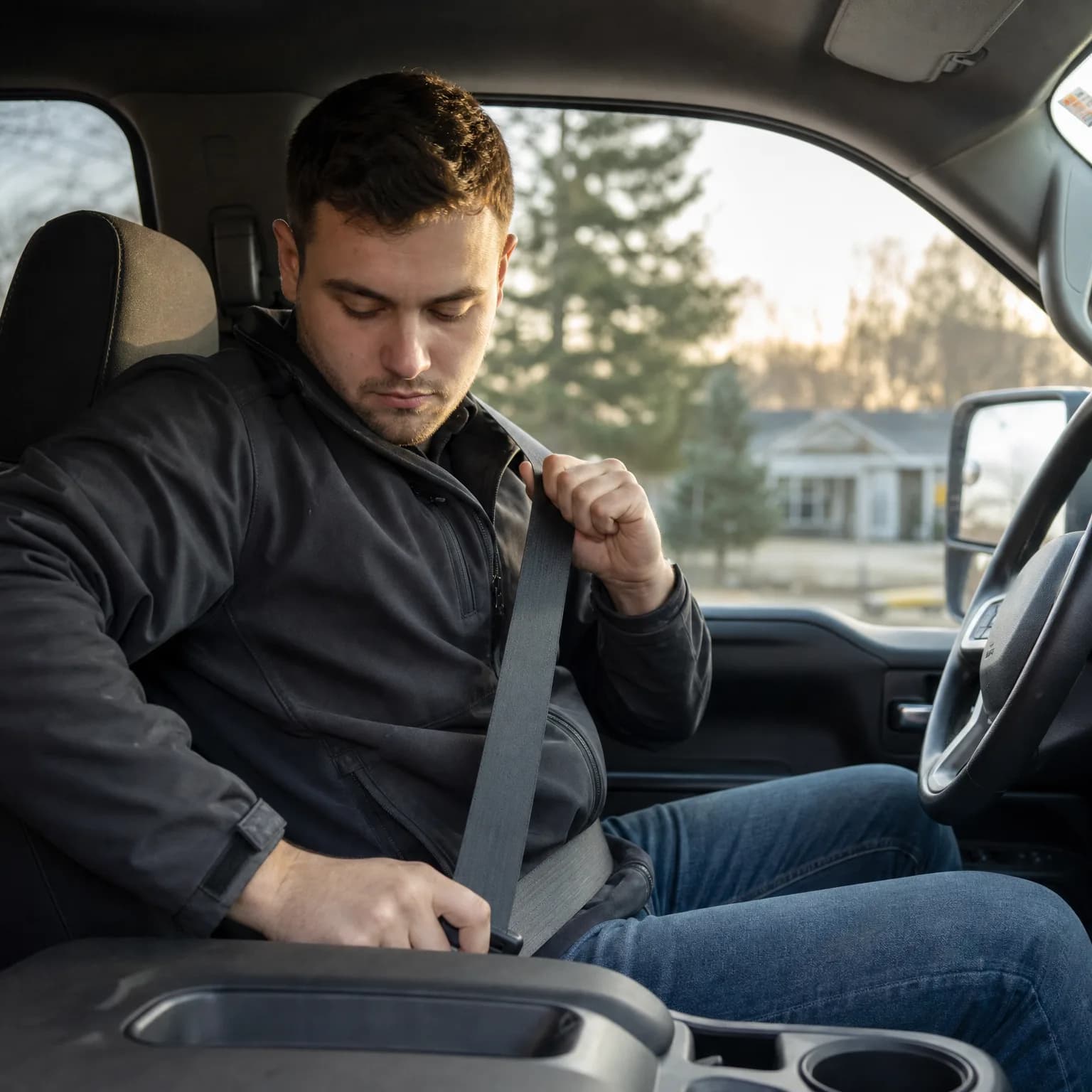
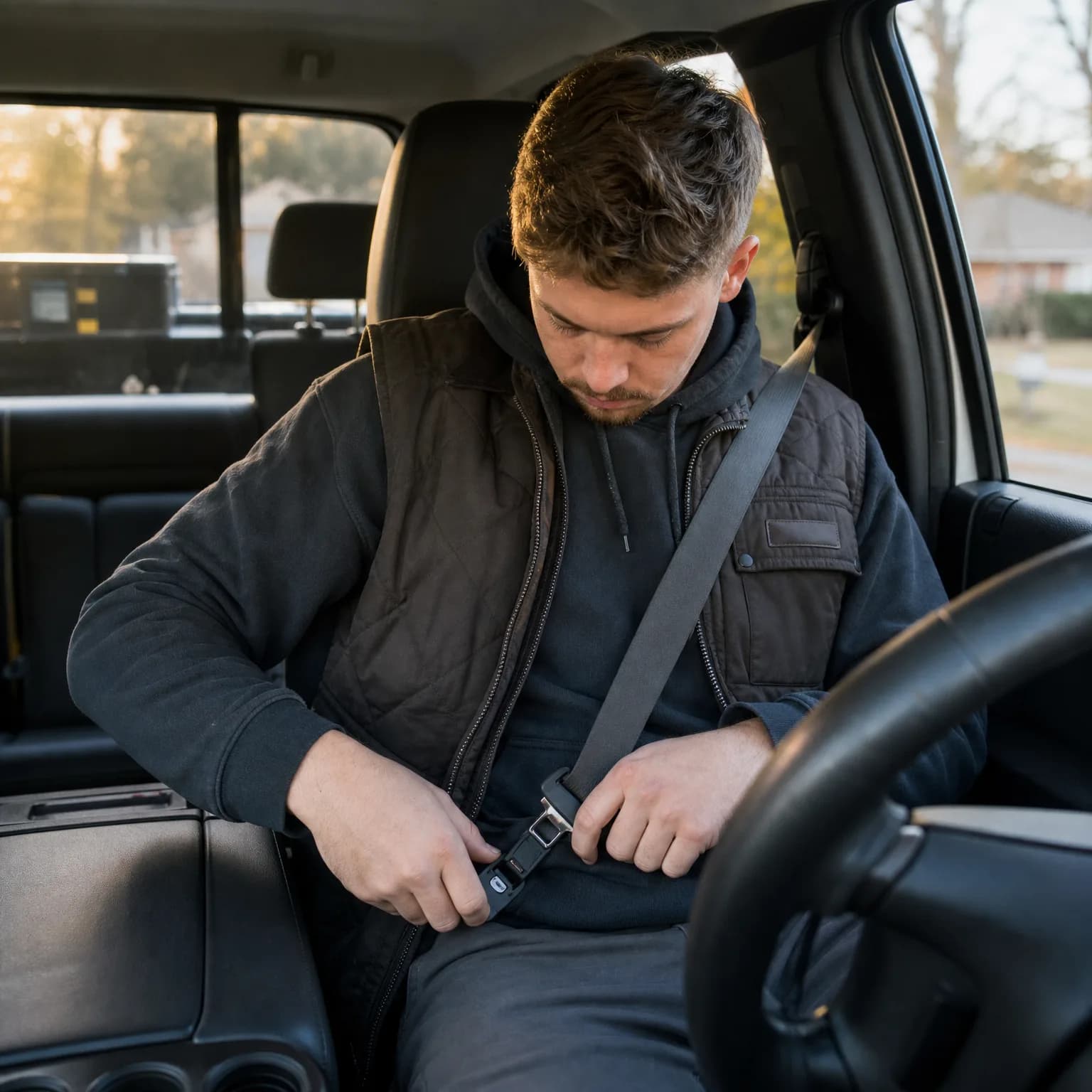
If you don't currently own a vehicle but need SR-22 coverage to reinstate your Indiana license, a non-owner SR-22 policy costs $25 to $60 per month. This is liability-only coverage that follows you when you drive a vehicle you don't own — a borrowed car, a rental, a friend's vehicle. The BMV requires proof of financial responsibility, not proof you own a car. Non-owner policies satisfy that requirement at one-third the cost of a standard owner policy.
Geico, Progressive, Dairyland, The General, and GAINSCO all write non-owner SR-22 in Indiana. USAA writes non-owner policies for military members and their families. This is the single largest cost-reduction move available to suspended drivers without vehicles. If you're paying $200 per month for an owner policy on a car you no longer drive, switching to non-owner drops your monthly obligation to $40.
Non-owner coverage does not cover vehicles you own, lease, or regularly use. If you live with someone who owns a car and you're listed on their policy, you don't need a separate non-owner policy — your SR-22 can be filed through their policy if the carrier allows it. Confirm with the carrier before purchasing redundant coverage.
$25–$60/month
Non-Owner SR-22 Premium
Monthly cost for liability-only coverage with SR-22 filing when the driver does not own a vehicle. Non-owner policies satisfy Indiana BMV financial responsibility requirements at one-third the cost of standard owner policies.
Non-standard carrier rate filings

Shopping Carriers During the SR-22 Period
Indiana requires SR-22 filing for three years after the conviction date, not the filing date. If you were convicted of OWI in January 2024 but didn't file your SR-22 until June 2024, your three-year period ends in January 2027, not June 2027. The BMV tracks the conviction date. Switching carriers during this period does not restart the clock, but it does create a filing gap risk if not managed correctly.
When you switch carriers, your old carrier files an SR-22 cancellation notice with the BMV. Your new carrier must file a new SR-22 before the old policy cancels, or the BMV receives a lapse notice and re-suspends your license automatically. Most carriers file the new SR-22 within 24 hours of binding coverage, but the timing matters — bind the new policy before canceling the old one, then cancel the old policy only after confirming the new SR-22 is on file with the BMV. You can verify SR-22 status through the mybmv.com portal.
Shopping carriers every six months is standard practice in the non-standard market. Your rate with the same carrier will not drop during the SR-22 period unless you qualify for a clean-driving discount after 12 months without new violations. New carriers price your risk independently and may offer lower rates even when your violation history is identical. Request quotes 30 days before renewal to avoid binding pressure.
What to Do Right Now
Pull quotes from three carriers that write SR-22 in Indiana: one preferred-tier carrier (State Farm, Allstate), one standard-tier carrier (Progressive, Geico), and one non-standard specialist (The General, Dairyland, Bristol West). Provide your conviction date, suspension start date, current coverage limits, vehicle year and model if you own one, and whether you need non-owner coverage. Request quotes for Indiana's minimum liability limits first, then request quotes with higher limits if the minimum premium is affordable. Compare the six-month total, not the monthly payment — carriers structure payment plans differently and monthly figures can obscure the true cost.
If your current premium exceeds $200 per month and you're driving an older vehicle, request a quote with liability-only coverage and no physical damage. If you don't own a vehicle, request non-owner SR-22 quotes exclusively. The mybmv.com portal shows your current SR-22 filing status and your reinstatement fee balance — confirm both before switching carriers to avoid re-suspension during the transition.
Three Carrier Moves That Cut Premiums
Move one: switch from a preferred-tier carrier writing you non-standard to a carrier that specializes in non-standard business. Carriers like Progressive, Geico, The General, Dairyland, Bristol West, and GAINSCO write SR-22 policies as core business, not as penalty endorsements. Their base rates for non-standard drivers run $50 to $100 per month lower than what State Farm or Allstate charges a suspended driver. Preferred-tier carriers have non-standard subsidiaries, but their pricing reflects reluctance — they want clean-record drivers. Non-standard specialists price competitively because this is their primary market.
Move two: raise your deductibles to $1,000 or $2,500 if you carry collision and comprehensive. Indiana does not require physical-damage coverage for SR-22 compliance, only liability. If you own an older vehicle worth less than $5,000, dropping collision entirely saves $40 to $80 per month. If your lienholder requires full coverage, increasing your deductible from $500 to $1,000 cuts your premium by $15 to $30 per month. The higher deductible increases your out-of-pocket exposure in a claim, but suspended drivers prioritize affordability over claim comfort — you need the policy active to satisfy the BMV, not to make future claims frictionless.
Get Your Free Quote
Get My Indiana SR-22 Auto Insurance QuoteFrequently Asked Questions
Does the SR-22 filing fee increase my monthly premium?
No. The SR-22 filing fee is a one-time charge of $25 to $50 that your carrier bills when they submit the certificate to the Indiana BMV. Your monthly premium increases because the suspension moved you into non-standard tier, where carriers price for higher actuarial risk. The filing itself does not recur.
Can I switch insurance carriers during my SR-22 period in Indiana?
Yes. Switching carriers does not restart your three-year SR-22 period, which the BMV measures from your conviction date. Bind the new policy and confirm the new SR-22 is filed with the BMV before canceling your old policy, or the BMV will receive a lapse notice and re-suspend your license automatically.
What is a non-owner SR-22 policy and who needs it?
A non-owner SR-22 policy is liability-only coverage that follows you when driving a vehicle you don't own. Indiana drivers who need SR-22 filing but don't currently own a car use non-owner policies to satisfy BMV financial responsibility requirements at $25 to $60 per month, one-third the cost of standard owner policies.
How long does Indiana require SR-22 filing after a DUI conviction?
Indiana requires SR-22 filing for three years, measured from the conviction date, not the filing date. If convicted in January 2024 but you didn't file until June 2024, your period ends January 2027. The BMV tracks the conviction date, and your carrier must maintain continuous filing for the full three years.
Will my SR-22 premium decrease during the three-year filing period?
Your premium with the same carrier typically does not decrease during the SR-22 period unless you qualify for a clean-driving discount after 12 months without new violations. Shopping carriers every six months is the primary cost-reduction strategy — new carriers price your risk independently and may offer lower rates even when your violation history is unchanged.
What happens if I let my SR-22 insurance lapse in Indiana?
When your carrier cancels your policy, they file an SR-22 cancellation notice with the Indiana BMV. The BMV re-suspends your license automatically and requires you to pay a new $250 reinstatement fee, restart your SR-22 filing, and potentially serve additional suspension days before regaining driving privileges.
Do I need full coverage insurance to file an SR-22 in Indiana?
No. Indiana requires only liability coverage at state minimums of $25,000 per person, $50,000 per accident, and $25,000 property damage. Collision and comprehensive are not required unless your lienholder mandates them. Dropping physical damage coverage on older vehicles saves $40 to $80 per month.