
Non-Owner SR-22 for Borrowed Cars — Indiana
Free to compare
Non-Owner SR-22 Covers Borrowed Vehicles
You lost your license after a DUI or suspension, sold your car to avoid paying insurance on something you can't legally drive, and now you're borrowing your partner's vehicle to get to work under a Probationary License. The BMV says you need SR-22 proof of financial responsibility to reinstate. Every agent you call asks what vehicle you're insuring. You don't own one. They hang up or redirect you to standard auto policies you don't need.
Indiana requires SR-22 filing as a condition of Probationary License issuance and full reinstatement after most DUI convictions, certain point accumulations, and uninsured-driving suspensions. Non-owner SR-22 policies exist specifically for drivers who don't own a vehicle but still drive borrowed cars, rental cars, or employer vehicles. The policy satisfies the BMV's SR-22 mandate and provides liability coverage when you're behind the wheel of someone else's car.
“Non-owner SR-22 follows you, not a specific vehicle—it covers borrowed cars, rentals, and employer vehicles without insuring a car you own.”

Find a Indiana Policy That Covers Your Filing
Get My Indiana SR-22 Auto Insurance Quote$25–$45/month
Indiana Non-Owner SR-22 Cost
Non-owner SR-22 policies cost significantly less than standard auto policies because they don't insure a specific vehicle. Rates vary by age, violation history, and coverage limits selected. Suspended drivers with DUI history typically pay the higher end of the range.
Carrier rate filings for Indiana non-owner policies, 2025
What Non-Owner SR-22 Actually Insures
Non-owner SR-22 provides liability coverage when you drive a car you don't own. Indiana's minimum liability requirements are $25,000 bodily injury per person, $50,000 bodily injury per accident, and $25,000 property damage. Non-owner policies meet those minimums and attach the SR-22 certificate the BMV requires. The policy follows you, not a specific vehicle.
The coverage applies to borrowed cars, rental cars, and short-term use of employer vehicles for non-commercial purposes. It does not cover vehicles you own, vehicles registered to your household, or vehicles you have regular access to. If your partner's car is titled in their name and you borrow it occasionally, you're covered. If you drive it daily as the primary operator, insurers may refuse the non-owner classification and require a standard policy with you listed as a driver.
Non-owner SR-22 does not replace the car owner's insurance. The owner's policy remains primary. Your non-owner policy serves as secondary coverage and kicks in if the owner's limits are exhausted or if the owner's policy excludes you as a driver. The real value is not duplicating someone else's coverage; it's satisfying Indiana's SR-22 filing requirement without owning a car.
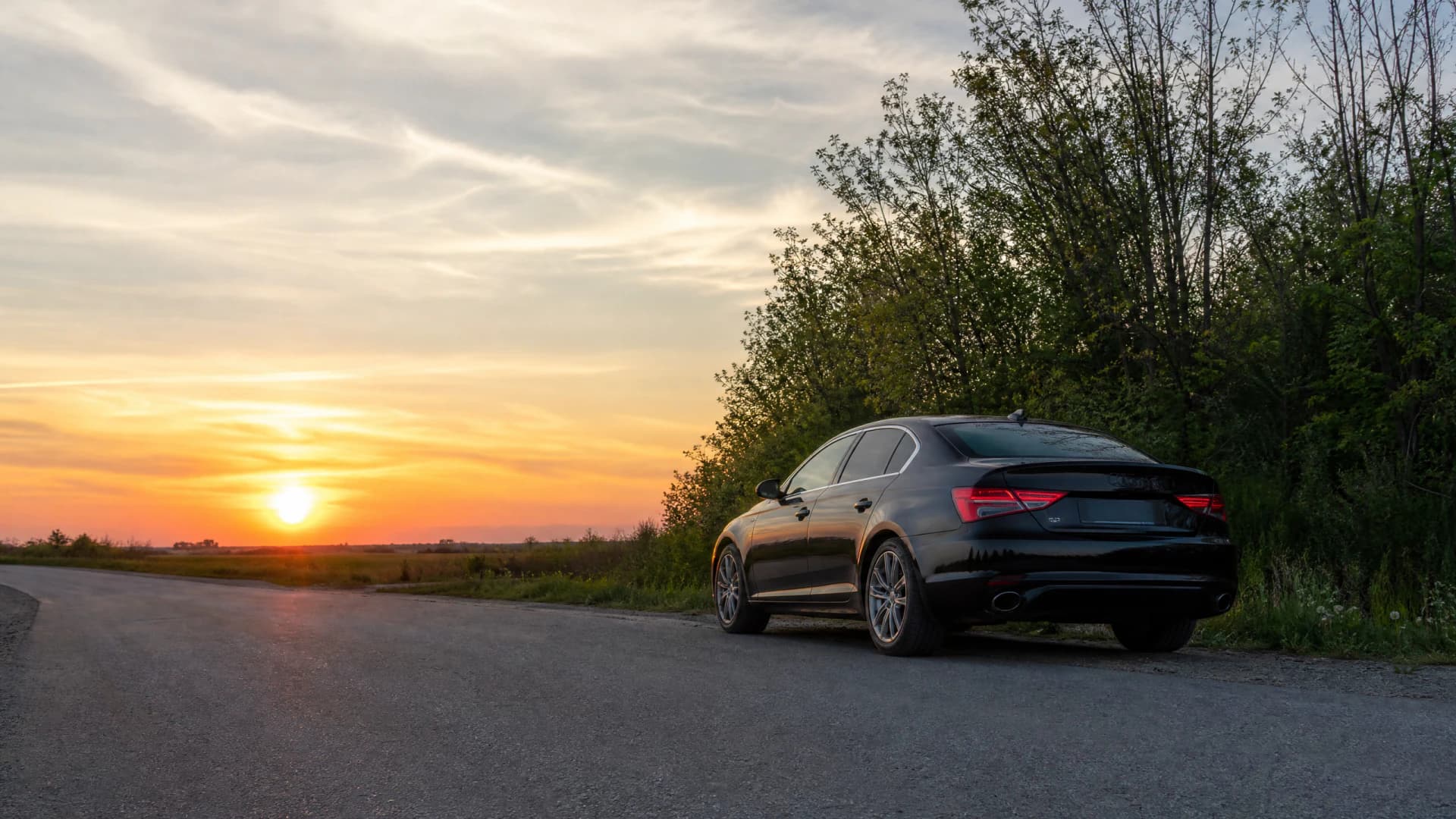
Indiana BMV requires continuous SR-22 coverage for three years after most DUI convictions. Letting a non-owner policy lapse triggers automatic suspension, even if you're not driving.



Non-Owner SR-22 Under Probationary License
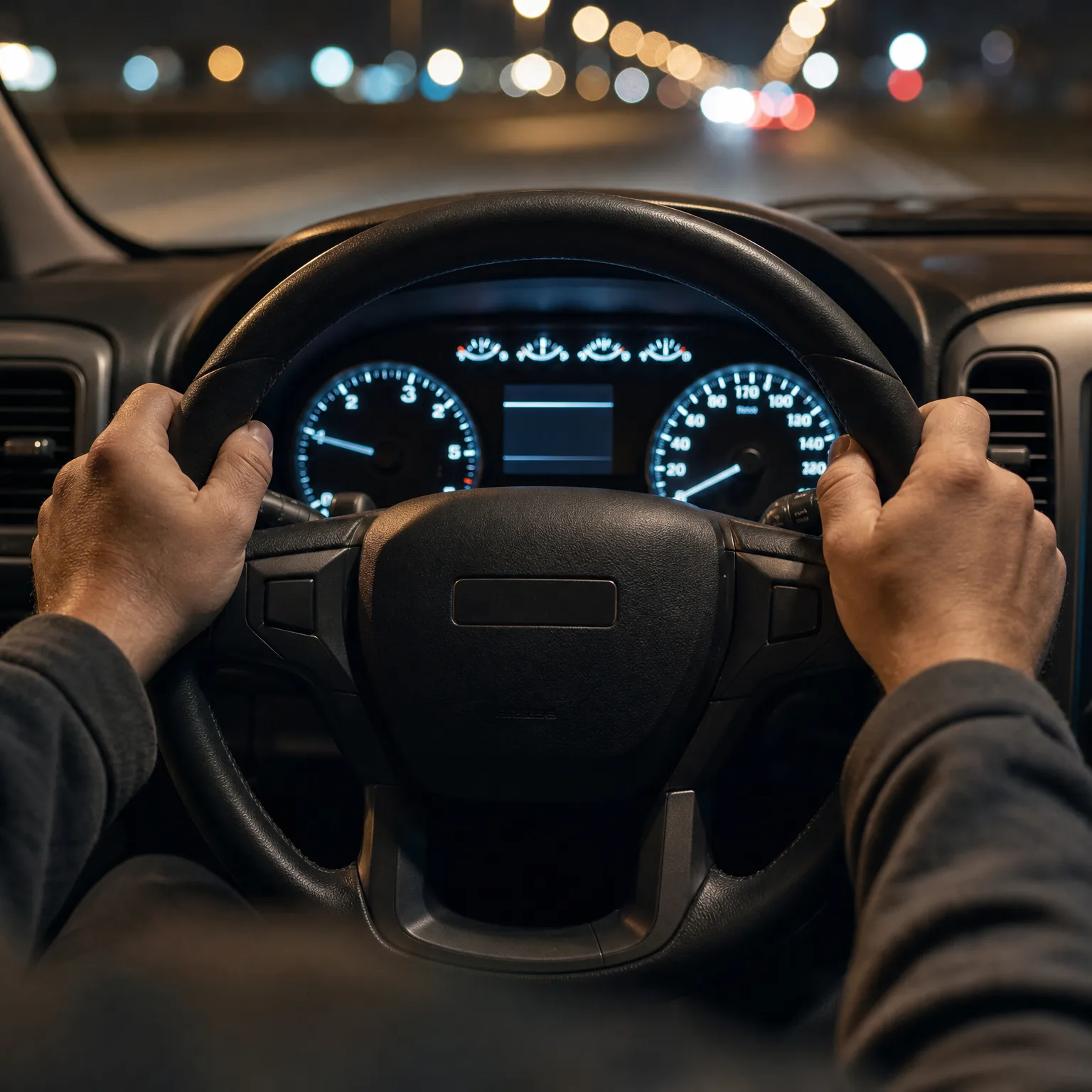
Indiana's Probationary License allows limited driving for work, school, medical appointments, and court-approved purposes during suspension. SR-22 proof of insurance is required by the BMV before the Probationary License is issued. Non-owner SR-22 satisfies this requirement even though you're not driving your own vehicle.
The Probationary License restricts you to specific routes and times. Your non-owner SR-22 policy provides liability coverage during those approved trips, whether you're driving a borrowed car, a rental, or an employer's vehicle. Violating Probationary License restrictions (driving outside approved hours, driving for unapproved purposes) does not void your non-owner policy, but the BMV will revoke the Probationary License and you'll face additional suspension time.
Ignition interlock devices are required for many DUI-related Probationary Licenses in Indiana. The IID attaches to the vehicle you drive most frequently. If you're borrowing multiple vehicles, coordinate with the IID vendor and the BMV to clarify which vehicle must have the device installed. Non-owner SR-22 does not exempt you from IID requirements; the two mandates operate independently.
3 years
Indiana SR-22 Filing Period
Indiana requires SR-22 filing for three years after most DUI convictions and uninsured-driving suspensions, measured from the reinstatement date, not the conviction date. Letting coverage lapse at any point during the three years restarts the clock and triggers immediate suspension.
Indiana Code 9-25

When Non-Owner SR-22 Is Not Enough
Non-owner SR-22 works when you borrow cars occasionally. If you have regular access to a household vehicle—your spouse's car titled in their name but parked in your driveway and driven by you daily—insurers classify that as regular use and require a standard policy with you listed as a named driver. Misrepresenting regular use as occasional borrowing is material misrepresentation; the carrier will deny claims and cancel the policy retroactively, voiding your SR-22 filing and triggering BMV suspension.
If you plan to buy a car during your SR-22 filing period, notify your insurer immediately. Non-owner policies exclude owned vehicles. You'll need to convert to a standard auto policy with SR-22 attached. Most carriers handle the conversion without interrupting your SR-22 filing, but lapses happen when drivers assume the non-owner policy automatically transfers. It does not.
Compare Non-Owner SR-22 Carriers in Indiana
Premiums for identical non-owner SR-22 coverage vary by $20–$60/month between carriers in Indiana. Geico and Progressive write non-owner SR-22 for drivers with single DUI violations and moderate violation histories. Dairyland, The General, and Bristol West specialize in higher-risk profiles—multiple DUIs, lapses during prior SR-22 periods, or recent license reinstatement. GAINSCO and USAA (military-eligible only) also confirm non-owner SR-22 availability.
Request quotes from at least three carriers. Provide your exact violation details, suspension dates, and Probationary License status. Agents price non-owner SR-22 based on your specific risk profile; generic quotes won't reflect what you'll actually pay. Confirm the carrier files SR-22 electronically with the Indiana BMV and ask how quickly the filing appears in the state's system. Delays between policy purchase and BMV filing receipt can push back your reinstatement or Probationary License issuance date by weeks.
How to Buy Non-Owner SR-22 in Indiana
Start with carriers known to write non-owner SR-22 in Indiana: Geico, Progressive, Dairyland, The General, GAINSCO, and Bristol West all confirm non-owner availability in the state. Call or quote online specifying you need non-owner coverage with SR-22 filing. The agent will ask about your violation history, driving record, and the reason you need SR-22. Answer honestly; misrepresentation voids the policy and the BMV filing.
You'll select liability limits (minimum $25,000/$50,000/$25,000 in Indiana, though higher limits cost marginally more and reduce your out-of-pocket risk). The carrier files the SR-22 certificate electronically with the Indiana BMV, typically within 1–3 business days. The BMV does not notify you when the filing is received; check your mybmv.com account to confirm the SR-22 appears on your record before assuming reinstatement eligibility.
Get Your Free Quote
Get My Indiana SR-22 Auto Insurance QuoteFrequently Asked Questions
Can I get SR-22 insurance in Indiana without owning a car?
Yes. Non-owner SR-22 policies satisfy Indiana's SR-22 filing requirement without insuring a specific vehicle. The policy provides liability coverage when you drive borrowed cars, rental cars, or employer vehicles. Costs typically range from $25–$45/month depending on your violation history.
Does non-owner SR-22 cover me if I borrow my spouse's car in Indiana?
Yes, if you borrow the car occasionally. Non-owner SR-22 provides secondary liability coverage when you drive vehicles you don't own. If you drive your spouse's car daily as the primary operator, insurers may refuse non-owner classification and require a standard policy with you listed as a named driver.
How long does Indiana require SR-22 filing after a DUI?
Indiana requires SR-22 filing for three years after most DUI convictions, measured from the reinstatement date. Letting your non-owner SR-22 policy lapse at any point during the three years restarts the clock and triggers immediate suspension.
What happens if my non-owner SR-22 policy lapses in Indiana?
The BMV suspends your driving privileges immediately when your carrier reports the lapse. You must purchase a new non-owner SR-22 policy, pay a $250 reinstatement fee, and restart the three-year SR-22 filing period from the new reinstatement date.
Can I use non-owner SR-22 to get a Probationary License in Indiana?
Yes. Indiana's Probationary License requires SR-22 proof of financial responsibility before issuance. Non-owner SR-22 satisfies this requirement even though you don't own a vehicle. The policy covers you during approved Probationary License trips in borrowed cars.
Which Indiana carriers write non-owner SR-22 policies?
Geico, Progressive, Dairyland, The General, Bristol West, GAINSCO, and USAA (military-eligible only) all write non-owner SR-22 in Indiana. Premiums vary by $20–$60/month for identical coverage. Compare at least three carriers to find the lowest rate for your violation profile.